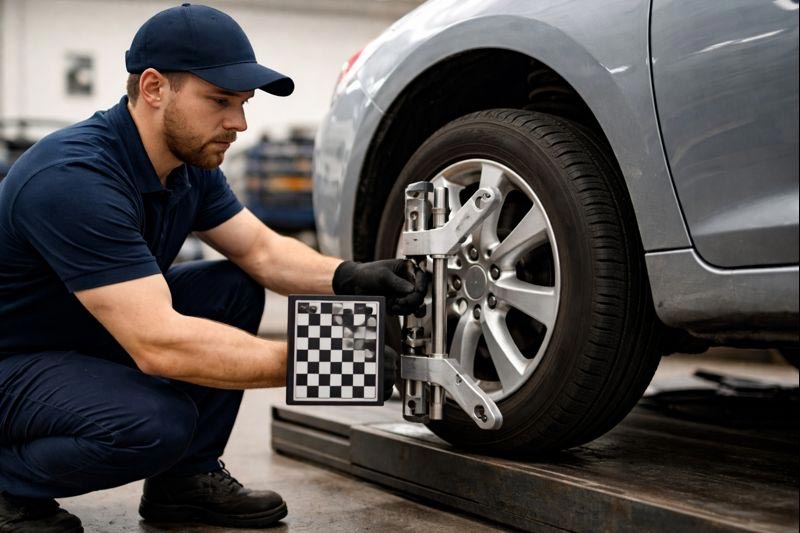
Wheel Alignment and Balancing in London: Why It Matters for Safety and Tyre Life
Wheel alignment and wheel balancing are often overlooked aspects of vehicle maintenance, yet they play a crucial role in safety, handling, and tyre longevity. In London, where roads are uneven, traffic is constant, and kerb contact is common, misaligned or unbalanced wheels can develop far more quickly than many drivers realise.
This guide explains what wheel alignment and balancing actually mean, how to recognise warning signs, why these services are especially important for London drivers, and when to seek professional help.
What is wheel alignment?
Wheel alignment refers to adjusting the angles of your wheels so they meet the manufacturer’s specifications. Proper alignment ensures that all four wheels point in the correct direction and sit at the right angles relative to the road and the vehicle’s suspension.
Correct alignment helps:
- Maintain stable handling
- Prevent uneven tyre wear
- Improve steering response
- Reduce strain on suspension components
What is wheel balancing?
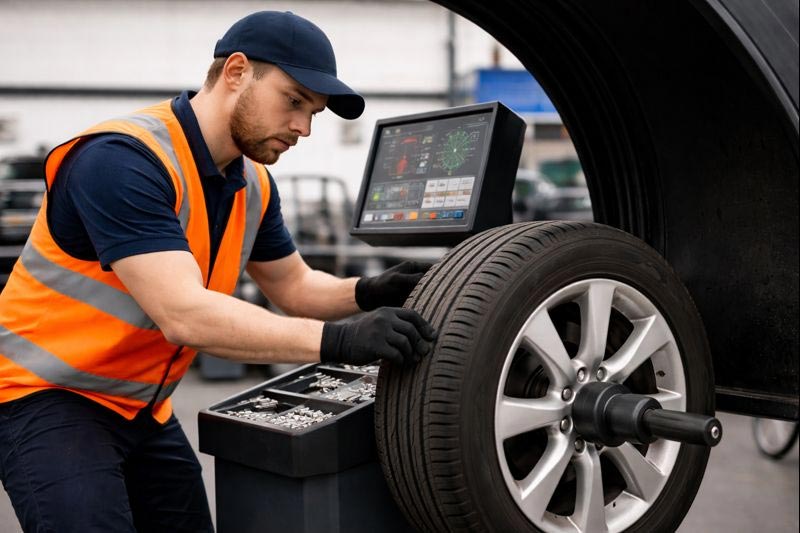
Wheel balancing ensures that the weight of the wheel and tyre is evenly distributed. Even a small imbalance can cause vibration, particularly at higher speeds, leading to discomfort and accelerated tyre wear.
Balancing is typically required:
- After fitting new tyres
- Following a puncture repair
- If steering wheel vibration occurs
- After noticeable tyre wear patterns appear
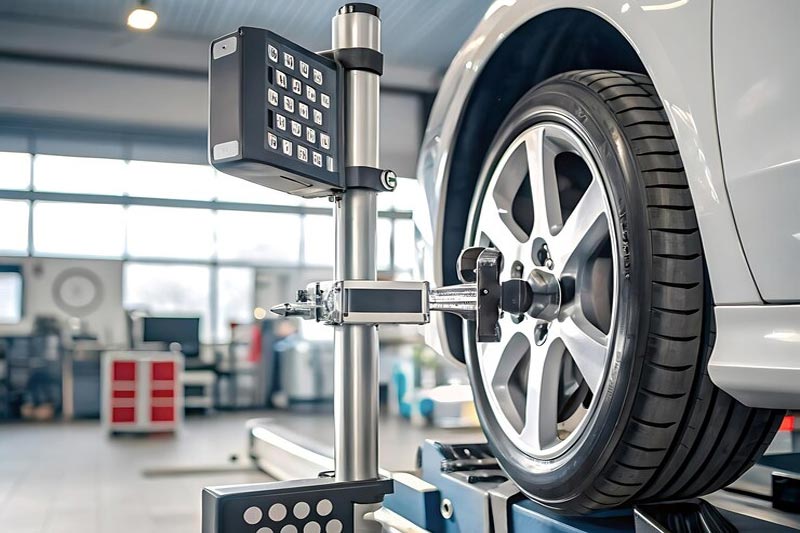
Why alignment and balancing matter more in London
Urban driving conditions in London are demanding. Constant braking, speed bumps, potholes, uneven road surfaces, and tight parking spaces all place stress on wheels and suspension.
Even minor kerb contact can knock wheels out of alignment. Over time, this results in reduced grip, unpredictable handling, and increased stopping distances—particularly in wet conditions.
Common signs your wheels need alignment or balancing
1) Vehicle pulling to one side
If your car drifts left or right when driving straight, alignment is likely off.
2) Uneven or rapid tyre wear
Tyres wearing more on one edge than the other often indicate alignment issues.
3) Steering wheel vibration
Vibration, especially at motorway speeds, is a classic sign of wheel imbalance.
4) Crooked steering wheel
If the steering wheel is not centred while driving straight, alignment may be required.
5) Reduced handling confidence
Loose or unstable handling can result from misaligned wheels.
If these symptoms appear suddenly or feel unsafe, contact Emergency Tyre and Roadside Assistance or call 07889 439224.
How poor alignment affects tyre lifespan
Misaligned wheels cause tyres to scrub against the road surface rather than roll smoothly. This leads to:
- Rapid tread wear
- Reduced tyre lifespan
- Increased risk of blowouts
- Higher replacement costs
In London traffic, where tyres already work harder, poor alignment can shorten tyre life significantly.
Alignment, balancing, and fuel efficiency
Incorrect alignment increases rolling resistance, forcing the engine to work harder. Over time, this can reduce fuel efficiency—an important consideration given current fuel costs.
Properly aligned and balanced wheels allow the vehicle to roll freely, improving efficiency and reducing unnecessary strain.
When should wheel alignment and balancing be checked?
As a general guideline:
- Check alignment annually
- Balance wheels whenever tyres are replaced
- Inspect after hitting potholes or kerbs
- Check immediately if handling feels off
Regular checks help prevent sudden tyre failures and unexpected repair costs.
Mobile tyre services and wheel care in London
While some alignment services require specialist equipment, many tyre-related issues linked to alignment and balance can be identified during a mobile inspection. Worn or damaged tyres can be replaced on-site, preventing further suspension strain.
To see what can be handled through mobile support, visit Our Mobile Tyre Services in London.
How professional assessment helps London drivers
A trained technician can identify whether tyre wear patterns are caused by alignment, balancing, pressure issues, or road damage. Early diagnosis reduces long-term costs and improves safety.
If you are unsure about your tyre condition, professional advice is always preferable to guesswork—especially in a busy urban environment.
Frequently asked questions
Can poor alignment cause a puncture?
While alignment does not directly cause punctures, it accelerates tyre wear, making tyres more vulnerable to damage.
Do new tyres need balancing?
Yes. All new tyres should be balanced to ensure smooth driving and even wear.
How often should alignment be checked in London?
Given road conditions, annual checks or inspections after impacts are recommended.
Which areas do you cover?
BNM TYRES covers all London areas. See Coverage Areas for details.
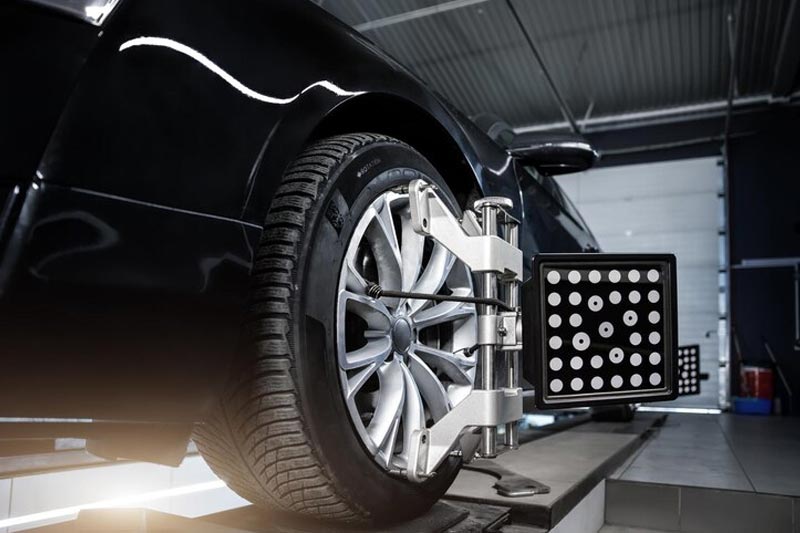
Conclusion
Wheel alignment and balancing are essential to safe, efficient driving—particularly in London’s demanding road conditions. Ignoring early warning signs can lead to uneven tyre wear, reduced handling, and unnecessary replacement costs.
Regular checks, timely tyre replacement, and professional assessment help ensure your vehicle remains stable, efficient, and roadworthy throughout the year.
Call to action
If you are experiencing uneven tyre wear, vibration, or handling issues, contact BNM TYRES for expert guidance and mobile tyre support.
Phone: 07889 439224
Email: info@bnmtyres.co.uk
Address: 26 Moss Hall Grove, N12 8PB, London
Opening hours: Open 24 hours
For bookings and urgent assistance, use Contact Us or visit BNM TYRES Homepage.